
We often see a huge prize pool ticking upward on a slot machine and believe the money comes from players on that individual game at one casino https://duelcasino-ca.ca/. The reality is more complex. A casino jackpot network links hundreds or even thousands of machines across multiple operator brands, gathering a tiny fraction of every wager into a shared prize fund. That structure lets the top prize climb at a pace no single casino could match, often attaining seven or eight figures within days. Understanding these networks changes how you select games. The mechanics behind the scenes directly shape your odds, the prize tiers on offer, and how often those life-changing sums actually get paid out to real people.
How Progressive Jackpot Networks Actually Function
Whenever a player plays a networked slot, the game client connects with a central server managed by the jackpot provider. A predetermined seed value is set by the provider to ensure the prize begins at an attractive minimum after a reset. Above that seed, a contribution rate, typically between 0.5% and 3% of each wager, is funneled into the communal pot. The server collects contributions in real time and broadcasts the updated total back to every connected machine. That is why the display counter rises without a visible lag. This setup avoids discrepancies and ensures the number you see on your screen identical to the figure a player on another continent sees at the same moment.
Seed Funding and Reserve Accounts
Operators do not simply let the prize pool start from zero after a win. The game provider puts a substantial seed amount, often tens of thousands of dollars for smaller networks and millions for the largest ones, into a reserve account. This seed guarantees that the reset jackpot instantly looks big enough to attract continued play. The reserve is funded by a slightly higher contribution rate during the jackpot’s growth phase, which forms a self-sustaining cycle. Considering the financial structure, the operator’s liability is strictly limited to the seed. The pooled player contributions handle the rest, making the model stable for casinos.
Safety, Impartiality, and Supervision of Jackpot Networks
Jackpot networks operate under stringent regulatory examination because they handle pooled player funds across numerous jurisdictions. The central random number generator that decides mystery jackpot triggers is examined and accredited by third-party laboratories such as eCOGRA, GLI, or iTech Labs. These audits confirm that the trigger mechanism is genuinely random and cannot be altered by either the operator or the provider. The contribution ledger is also checkable, assuring that every cent withdrawn from player wagers for the jackpot pool is recorded and that the displayed prize total matches the actual funds stored in the segregated account.
From a player perspective, the key security factor is making sure you are playing at a licensed casino that provides real networked titles rather than fraudulent versions. A valid network jackpot presents the provider’s branding, refreshes in real time, and can be verified with the current prize amount shown on the provider’s official website. At Duel Casino, we function under a recognized gaming license that demands regular technical audits of all jackpot games we host. This licensing framework also obligates us to maintain segregated player funds, meaning the money collected for jackpots is kept separately from operational accounts and is secured in the unlikely event of operator insolvency.
Payment Procedures and Validation Steps
When a progressive jackpot lands, the payout process is quite different from a regular slot win. The casino does not directly pay the full sum from its own funds. Instead, the jackpot provider’s main platform verifies the win, verifies the game log and bet data, and then transfers the pooled funds to the operator, who disburses them to the player. This confirmation step can take anywhere from a few hours to several days, according to the network and the amount of the prize. During this phase, the player’s account generally shows a temporary balance that is not available for withdrawal until the provider signs off on the integrity of the win.
The cashout method you use for withdrawal also affects the timeline. Large jackpot wins often exceed standard transaction limits, calling for manual processing by the casino’s finance team. Wire transfers are the default for seven-figure sums, though e-wallets and cryptocurrency options are increasingly capable of handling high-value transactions with quicker settlement. We suggest contacting customer support immediately after a major win to create a direct line of communication with the payments team. They will guide you through any enhanced verification requirements, which are normal for large-sum anti-money-laundering compliance and are nothing to worry about.
How Qualifying Bets and Contribution Mechanics Function
Few spin contributes in the same way to a jackpot network. Most systems use a proportional contribution model wherein the amount put into the pool scales with your wager size. A five-dollar spin contributes more in absolute terms than a fifty-cent spin, but the contribution percentage remains constant. More importantly, many networks establish a minimum bet threshold for jackpot eligibility. If you spin under that threshold, your wager nevertheless contributes to the pool, meaning you are aiding fund a prize you will not be able to win. This is a critical detail we invariably highlight because it is seldom prominently displayed in the game interface.
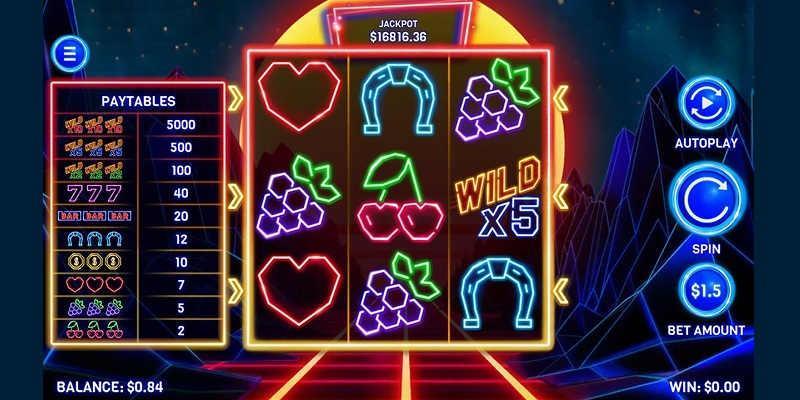
The eligibility rule exists to prevent a mathematical imbalance whereby low-stakes players could set off a jackpot funded disproportionally by higher-stakes players. On the other hand, some networks, notably those using the mystery trigger model, explicitly allow any bet size to qualify. You can verify your eligibility by reviewing the game’s paytable or the dedicated jackpot rules page reachable from the slot’s menu. At Duel Casino, the qualifying criteria for each networked title are plainly stated in the game information section, and we encourage you to review them before allocating real funds to a session wherein the jackpot is your primary target.
Leading Jackpot Network Operators and Their Ecosystems
Microgaming’s WowPot and Mega Moolah networks are arguably the most recognizable names in the industry, having paid out combined sums exceeding a billion euros over their lifetimes. These networks connect hundreds of casino brands, and the shared liquidity means a single spin at any participating operator feeds the same pot. Playtech’s Age of the Gods series uses a multi-level jackpot structure, where four tiers, Power, Extra Power, Super Power, and Ultimate Power, trigger from a bonus game rather than a random server call. This offers players an interactive moment of agency, even though the underlying selection is still governed by a random number generator.
NetEnt’s pooled jackpots, including Hall of Gods and Mega Fortune, use a slightly different contribution model that assigns a portion of each bet to a communal liquidity pool managed by the provider. IGT’s Powerbucks network distinctively links online play with land-based machines in regulated markets, creating hybrid pools that blur the line between digital and physical gaming floors. Each provider’s ecosystem has unique rules about qualifying bets, currency conversion for international pools, and payout structures. We always suggest reading the specific jackpot rules for the network you are playing, because a misunderstanding about bet requirements can prevent you from receiving a prize even if your screen shows a winning combination.
Multiple-Level Jackpot Structures
Many modern networks replace the single-prize model in favor of tiered systems. A typical configuration features a Mini, Minor, Major, and Grand jackpot, each seeded at a different level and triggered independently. The Mini might start at ten dollars and hit every few minutes, while the Grand begins at ten thousand and climbs indefinitely. Contribution rates are split across tiers, with the bulk going to the top prize. This structure sustains engagement high because players experience frequent small wins from the lower tiers, boosting the sense that the network is actively paying out. The psychological impact is significant and makes sessions dynamic even when the Grand prize remains elusive for extended periods.
Independent Versus Networked Jackpot Pools
A standalone progressive jackpot grows its prize only from wagers placed on a single machine or a small cluster within one casino. The increase rate is consistent and often leisurely, taking months to achieve a compelling sum. Networked jackpots, by contrast, combine wagers across multiple casinos and sometimes across entirely different gaming jurisdictions. The rate of growth is much faster because countless of players add simultaneously. At Duel Casino, we observe that networked titles regularly produce six-figure prizes within a week, whereas a standalone version of the same game might need a year to reach an comparable amount.

The balance lies in win frequency and volatility. Standalone progressives usually hit more often because the pool is narrower and the mathematical trigger range is more restricted. Networked jackpots, especially wide-area progressives spanning entire continents, can go months without a payout, but when they do trigger, the sum is genuinely life-altering. We recommend checking the game’s information panel to ascertain whether the jackpot is local or networked. This differentiation directly influences your anticipated playtime before a theoretical hit and should shape your bankroll management strategy. A local jackpot suits a steady session, while a networked one requires patience and a capacity for long dry spells.
Mobile Compatibility and Multi-Platform Jackpot Play
Current jackpot networks do not depend on what device you use. The central server that oversees the prize pool does not differentiate between a spin placed on a desktop browser, a native iOS app, or an Android mobile web session. The input you make from your phone enters the same pool and updates the same display counter. This consistency means you are never at a handicap based on your device choice. The technical requirement is simply a stable internet connection, because a disconnection at the precise moment of a jackpot trigger is managed by the server-side log, which captures the bet outcome regardless of what your screen shows.
Mobile adaptation for jackpot slots has evolved significantly, with providers now designing game interfaces that prioritize the jackpot display on smaller screens. The prize total is typically fixed to the top of the screen, and many games include a dedicated jackpot panel you can enlarge to see the full tier breakdown. Touch controls for max-bet buttons, often required for symbol-triggered jackpots, are prominently placed. We have observed that mobile play now accounts for the majority of jackpot contributions across our platform, and the networks have responded smoothly. The experience is functionally identical, and the prize pools profit from the increased liquidity that mobile accessibility brings.
Selecting the Proper Jackpot Network for Your Gaming Approach
Your selection of jackpot network should correspond to your bankroll, patience, and goals. If you favor frequent, smaller wins that keep your balance ticking over, a multi-tier network with a rapidly triggering Mini and Minor jackpot fits you best. These systems offer regular positive reinforcement and can sustain a longer session without requiring a large deposit. If you are exclusively focused on a life-changing sum and are ready to accept long losing stretches, the wide-area progressive networks with eight-figure top prizes are the logical target. Just make sure your bet size meets the eligibility threshold on every single spin, because one under-qualifying wager is all it takes to lose a win you effectively helped fund.
We also recommend examining the historical payout data for any network you are considering. Most major providers publish recent win amounts and dates, giving you a idea of how long the current prize has been building and how close it is to the typical trigger range for mystery jackpots. Past data cannot anticipate a random event, but it does reveal patterns in average payout sizes and intervals. This information aids you choose whether to commit to a session now or wait for the prize to climb further. The decision is personal, but being informed about the network’s mechanics transforms jackpot play from blind luck into a calculated entertainment choice.